

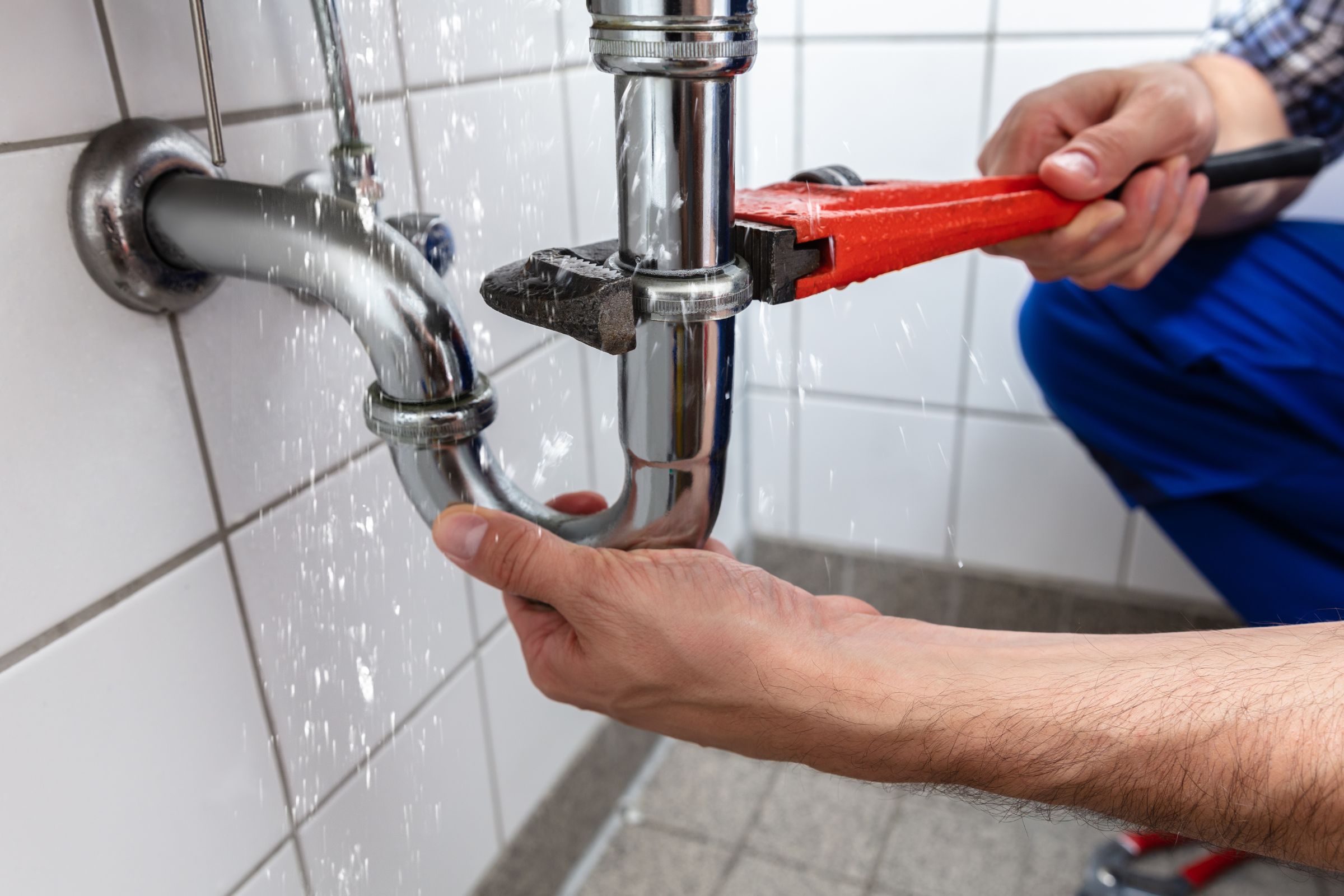
Plumbers face a surge in calls during the winter months due to burst pipes, frozen lines, heating system repairs, and emergency service requests. These demanding conditions also increase the risk of workplace injuries — many of which qualify for workers’ compensation under New Jersey law.
Whether you work independently, for a contracting company, or as part of a service team, it’s important to understand your rights and protections during the coldest months of the year.
Why Plumbers Face Greater Injury Risks During Winter
Colder weather creates hazardous working conditions that plumbers encounter daily, such as:
- Slippery entryways and icy outdoor work areas
- Crawl spaces with poor lighting or tight environments
- Cold exposure during outdoor plumbing repairs
- Lifting heavy water heaters, pipes, and equipment
- Emergency after-hours calls leading to fatigue
- Cluttered basements or unsafe customer environments
Injuries can occur suddenly or develop over time due to repetitive strain.
Common Winter Injuries for Plumbers
Some of the most frequent injuries seen during the winter season include:
- Back, neck, and shoulder strains
- Slip and fall accidents
- Cold exposure injuries (frostbite, hypothermia)
- Knee injuries from kneeling, bending, and navigating tight spaces
- Respiratory issues from mold, dust, or chemical exposure
- Cuts and punctures from tools or sharp materials
No matter how minor an injury may seem, plumbers should report it immediately. Delayed reporting can jeopardize a workers’ compensation claim.
Are Plumbers Covered by Workers’ Compensation?
Yes — most plumbers in New Jersey are covered as long as they are classified as employees and receive a W-2.
Workers’ compensation benefits typically include:
- Employer-paid medical care
- Temporary disability while unable to work
- Permanent partial benefits for lasting injuries
- Permanent total disability in severe cases
If a plumbing company incorrectly classifies you as an independent contractor to avoid paying for workers’ compensation, you still may be eligible for benefits. Misclassification is a common legal issue in skilled trades.
How to File a Workers’ Compensation Claim as a Plumber
To protect your rights after an injury:
- Report the injury to your employer immediately.
- Request authorized medical treatment.
- Document where and how the injury occurred.
- Follow all treatment recommendations.
- Speak with a workers’ compensation lawyer if your claim is denied, delayed, or disputed.
In winter, many plumbers face pressure to stay on the job due to high demand, but pushing through injuries can worsen your condition and harm your claim.
Winter plumbing work is essential — but it comes with significant risks. Understanding your workers’ compensation rights ensures you stay protected if an injury occurs during this demanding season.