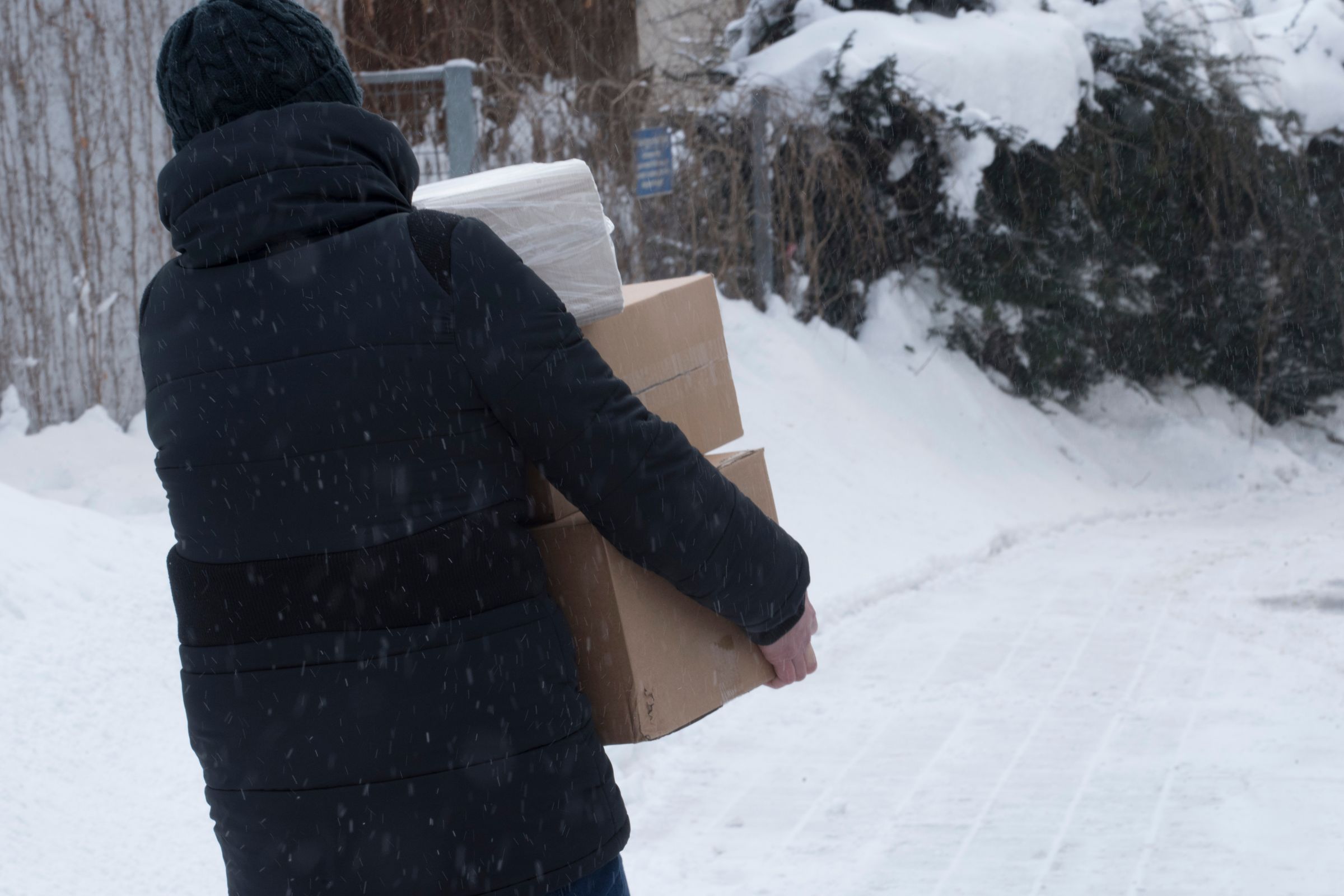


While landscaping is known as a warm-weather job, many landscaping companies remain active throughout winter. From tree removal and hardscaping to storm cleanup, winter landscaping involves some of the most hazardous outdoor work performed all year.
Understanding your workers’ compensation rights is essential if you’re injured while working in winter conditions.
Why Winter Landscaping Can Be More Dangerous
Landscapers who work in winter face:
- Icy walkways and uneven terrain
- Falling ice, branches, and debris
- Heavy equipment use in freezing temperatures
- Poor visibility during early morning or late afternoon shifts
- Increased physical strain due to heavy winter materials
These conditions can significantly increase the risk of accidents and injuries.
Common Winter Injuries Among Landscapers
Common injuries include:
- Slip and fall accidents
- Back injuries from lifting or moving heavy objects
- Chainsaw or equipment-related injuries
- Frostbite or cold exposure
- Crush injuries from falling trees or limbs
- Knee and shoulder strains
Even injuries that develop gradually may qualify as occupational claims.
Are Winter Landscapers Covered by Workers’ Compensation?
Yes — landscapers are generally entitled to workers’ compensation benefits if they work for a company, even part-time or seasonally.
Covered benefits include:
- Employer-paid medical care
- Wage replacement during time off work
- Permanent disability benefits
- Continued treatment for long-term injuries
If an employer claims you’re an independent contractor, you may still qualify based on your job duties and level of control the employer has over your work.
What to Do After a Landscaping Injury in Winter
- Inform your employer immediately.
- Request authorized medical treatment.
- Document the location and conditions where the injury occurred.
- Follow all medical recommendations.
- Contact a workers’ compensation lawyer if your claim is disputed or delayed.
Landscapers working in winter face unique risks. Workers’ compensation protects them from the financial burden of workplace injuries — but it’s important to act quickly and understand your rights.