
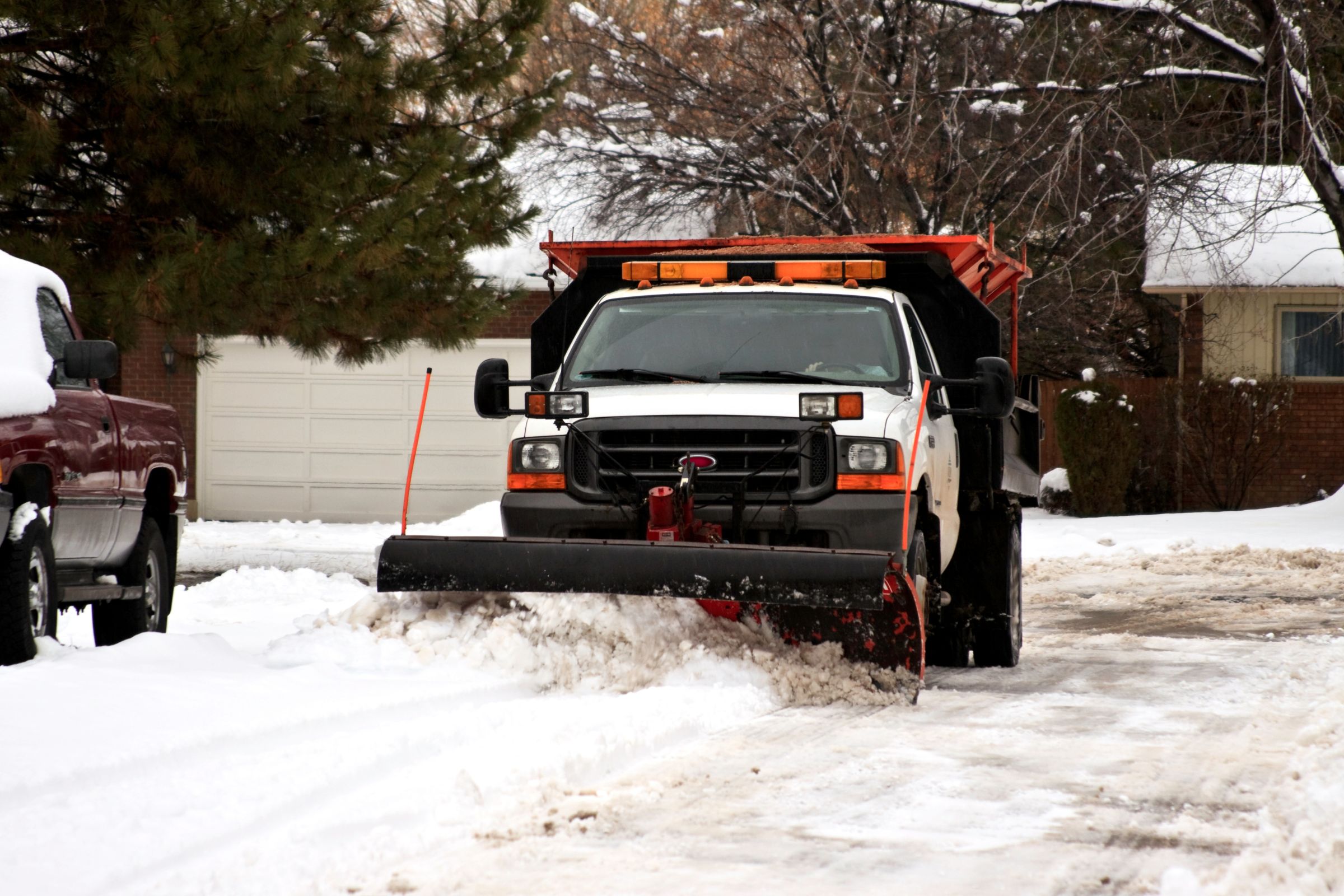
Snow removal crews are the backbone of winter safety in New Jersey. Whether clearing driveways, parking lots, municipal roads, or commercial properties, these workers face some of the most physically demanding and hazardous conditions of the season. Because the risk of injury is significantly higher in winter, it is essential for snow removal workers to understand their rights under New Jersey’s workers’ compensation system.
Why Snow Removal Work Is So Dangerous
Snow and ice create unpredictable and often dangerous environments. Some of the biggest winter hazards include:
- Slippery surfaces leading to falls
- Strains from lifting heavy snow or equipment
- Operating machinery in freezing temperatures
- Exposure injuries like frostbite or hypothermia
- Fatigue from overnight or extended shifts
- Accidents involving snow blowers, plows, and de-icing equipment
These conditions can quickly lead to injuries that qualify for workers’ compensation benefits.
Common Injuries in Snow Removal Work
Injuries typically reported by snow removal workers include:
- Back, neck, and shoulder strains from shoveling
- Cuts or lacerations from equipment
- Slip and fall injuries
- Broken bones or sprains
- Cold exposure injuries
- Equipment entanglement injuries
- Overexertion injuries from long shifts
Because snow removal often involves emergency or on-call work, fatigue makes injuries even more likely during winter months.
Are Snow Removal Workers Covered by Workers’ Compensation?
Most snow removal workers are entitled to workers’ compensation benefits if they are classified as employees. This includes:
- Municipal workers
- Private snow removal crews
- Contractors working for landscaping companies
- Seasonal employees hired for winter months
Workers’ compensation may cover:
- Medical treatment
- Temporary disability benefits
- Permanent disability compensation
- Ongoing medical care
If you are paid hourly, wear company equipment, or follow employer instructions, you are likely considered an employee — even if labeled as a seasonal hire.
What to Do After a Snow Removal Injury
- Report the injury as soon as possible.
- Request employer-authorized medical treatment.
- Document where the injury occurred (photos can help).
- Avoid returning to work until cleared by a doctor.
- Contact a workers’ compensation lawyer if benefits are denied or delayed.
Winter snow removal work is vital but hazardous. Knowing your workers’ compensation rights ensures you’re protected if an injury happens on the job.